
social proof, systematized
Amazon Influencer Program
TL;DR
Before influencer marketing was mainstream, I led design for Amazon’s Influencer Program, a platform that helped creators monetize their product recommendations and helped customers discover trusted products through the people they follow. The MVP launched with 41K influencers in week one, generating $34M in revenue within the first month and paving the way for Amazon’s long-term social commerce strategy.
Customer Opportunity
In the mid-2010s, social media was transforming shopping behavior. Platforms like Instagram and YouTube gave rise to a new generation of influencers who shaped what people bought. Research showed 40% of customers purchased products they saw on social media, yet influencers struggled to share Amazon products effectively.
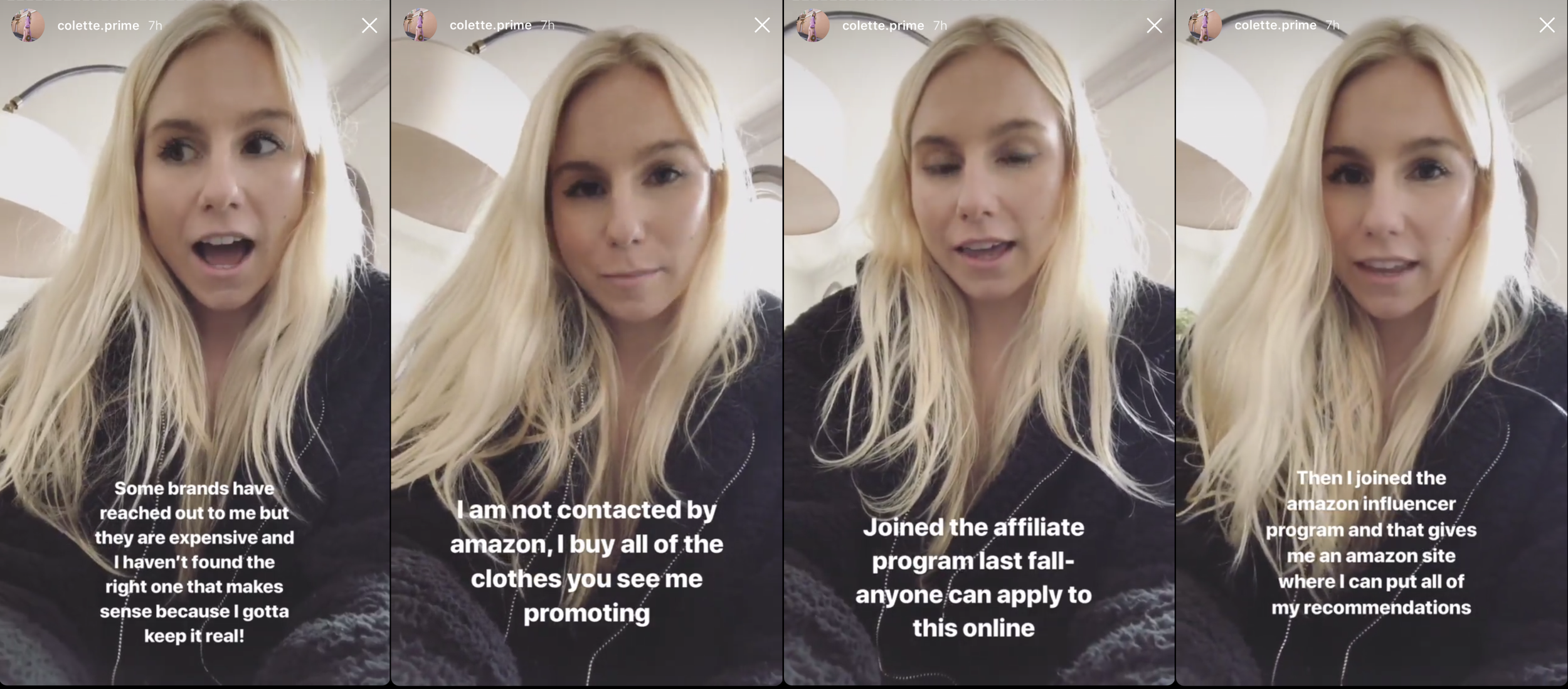
The traditional affiliate model wasn’t built for visual, fast-paced platforms, managing multiple affiliate links was tedious, and creators lacked a simple way to curate multiple recommendations at once. Meanwhile, Amazon customers increasingly wanted trusted, curated product discovery from real people, not ads.
Business Opportunity
For Amazon, this was a chance to evolve the long-standing Associates Program into a modern social shopping platform, expanding reach, growing user-generated content, and deepening engagement through authentic recommendations.
Solution
We scoped an MVP for influencer-driven storefronts built around trust and simplicity:
Vanity URLs: Custom Amazon links based on influencer handles (e.g., amazon.com/shop/creatorname).
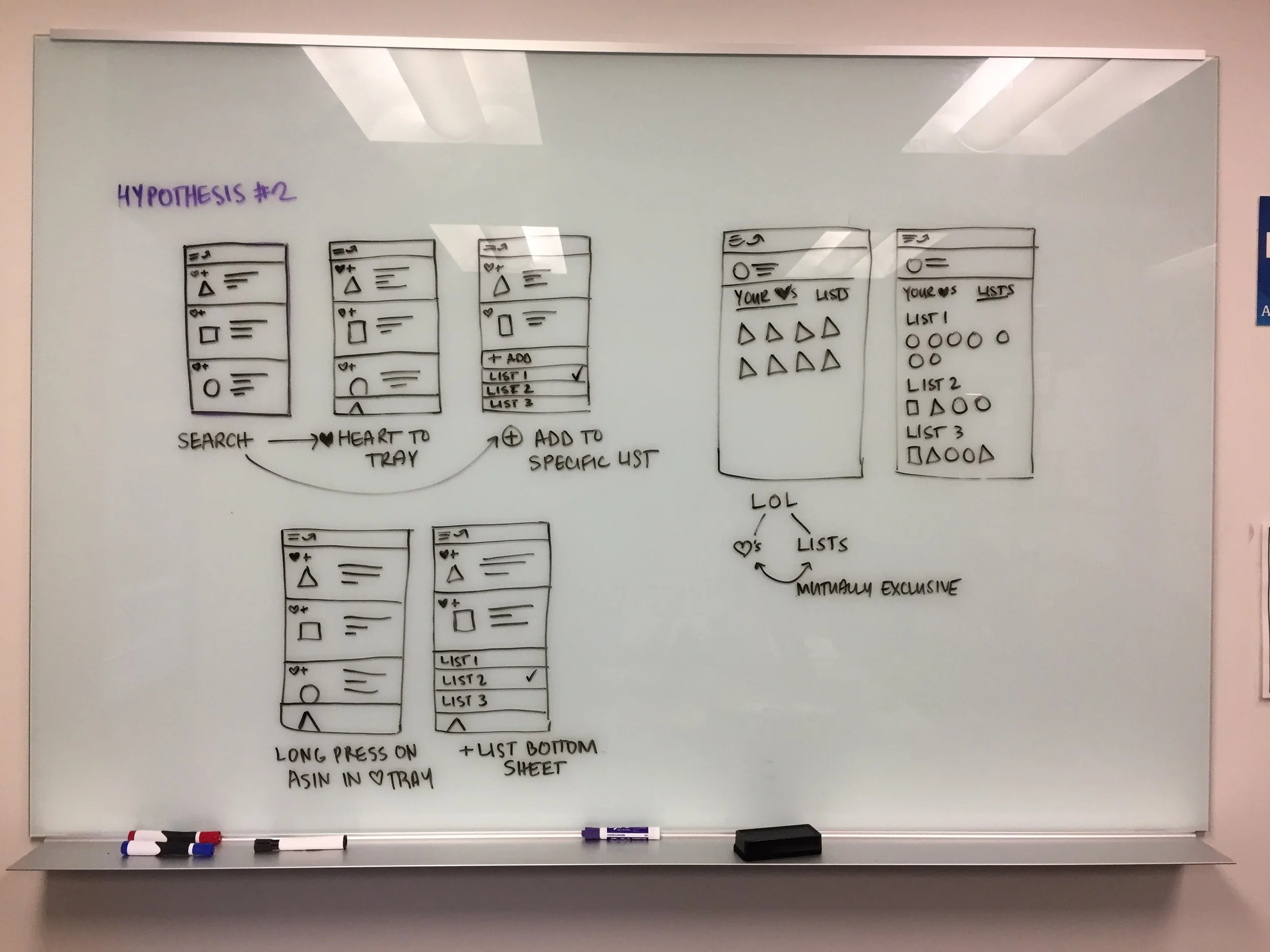
Curated Wishlists: Lists of product recommendations that auto-updated with attribution tracking.
Follow Functionality: Enabled customers to follow influencers directly within Amazon.
Earnings Dashboard: Provided visibility into performance and commissions within Associates Central.
The early beta validated creator enthusiasm—offering a low-friction way to share, monetize, and personalize recommendations while connecting customers to authentic voices.
My Role
As Design Lead and Product Owner, I guided the program from concept to full launch:
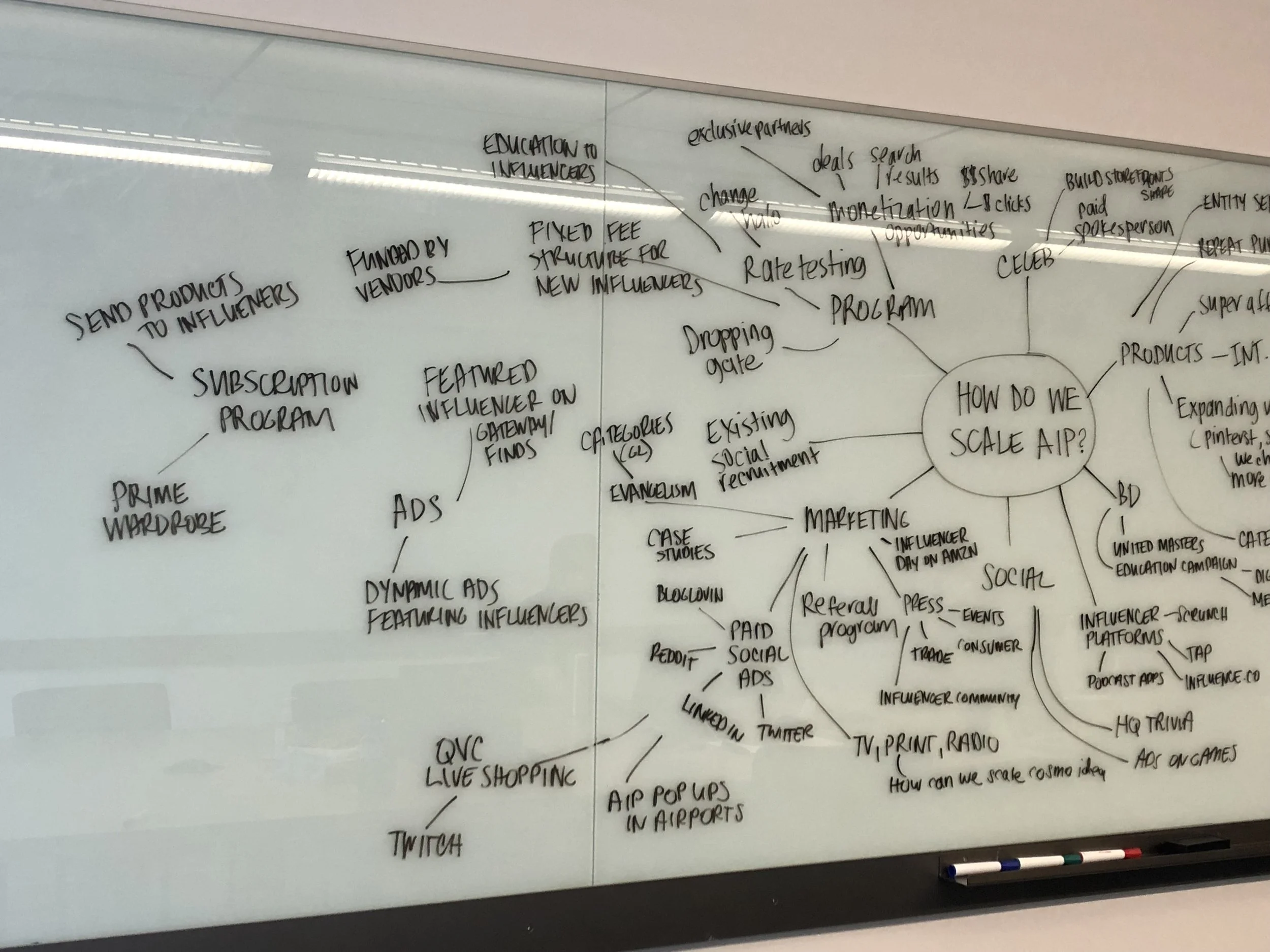
Defined the vision and roadmap for influencer-to-customer experiences.
Designed the onboarding flow, storefront layouts, and performance dashboards.
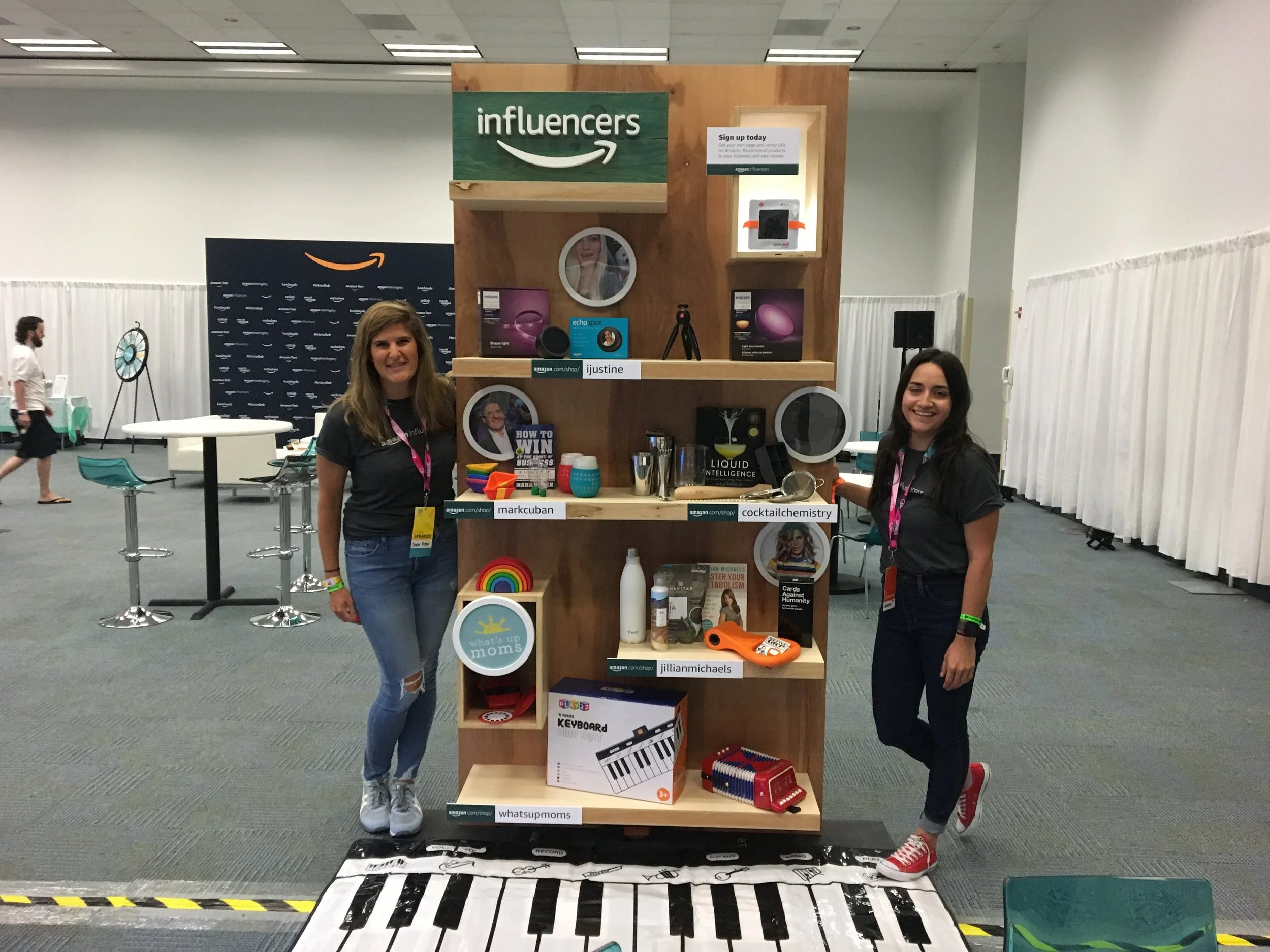
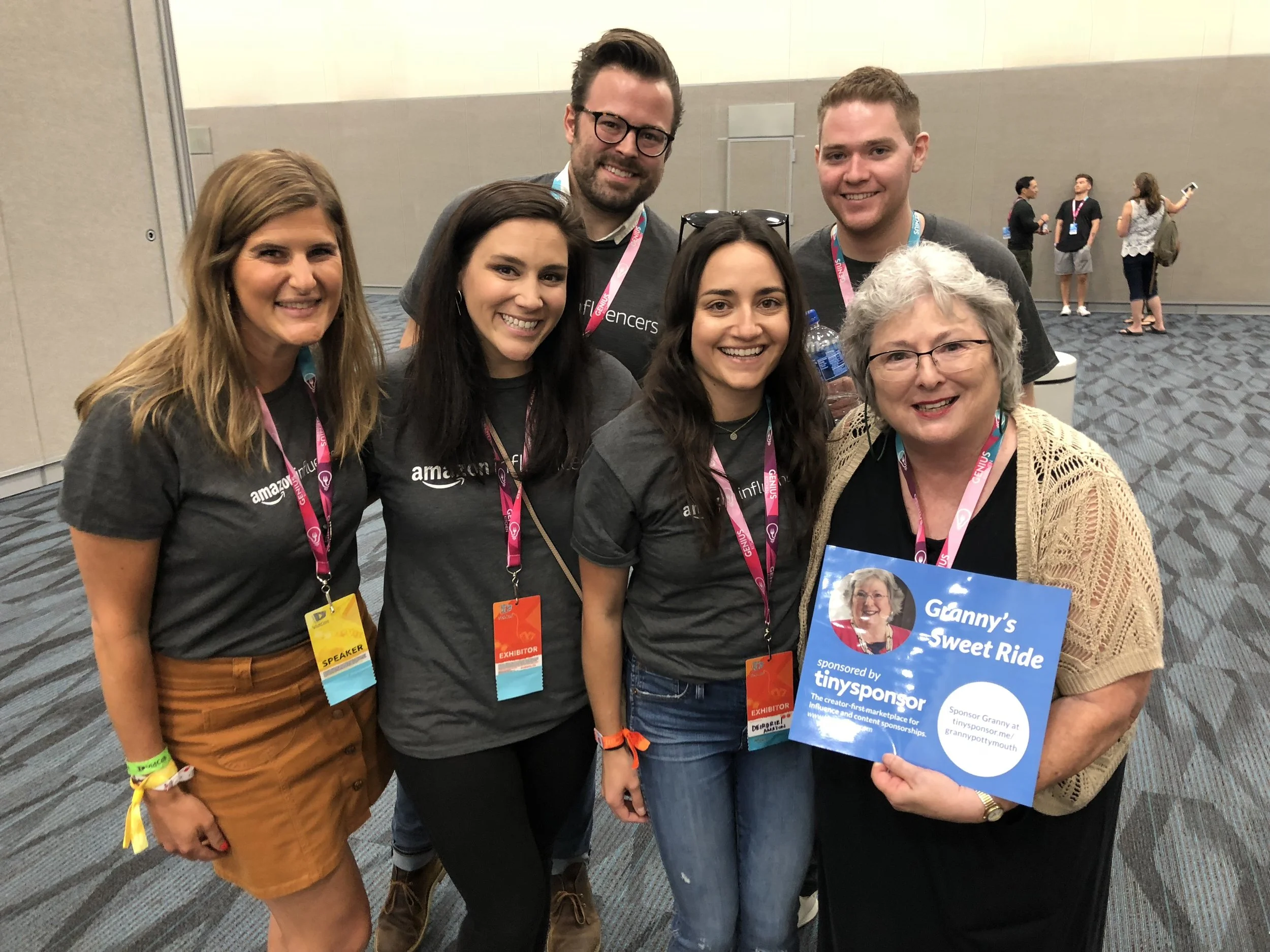
Partnered with Marketing and Brand to build cohesive influencer-facing materials (tradeshow booths, collateral, swag).
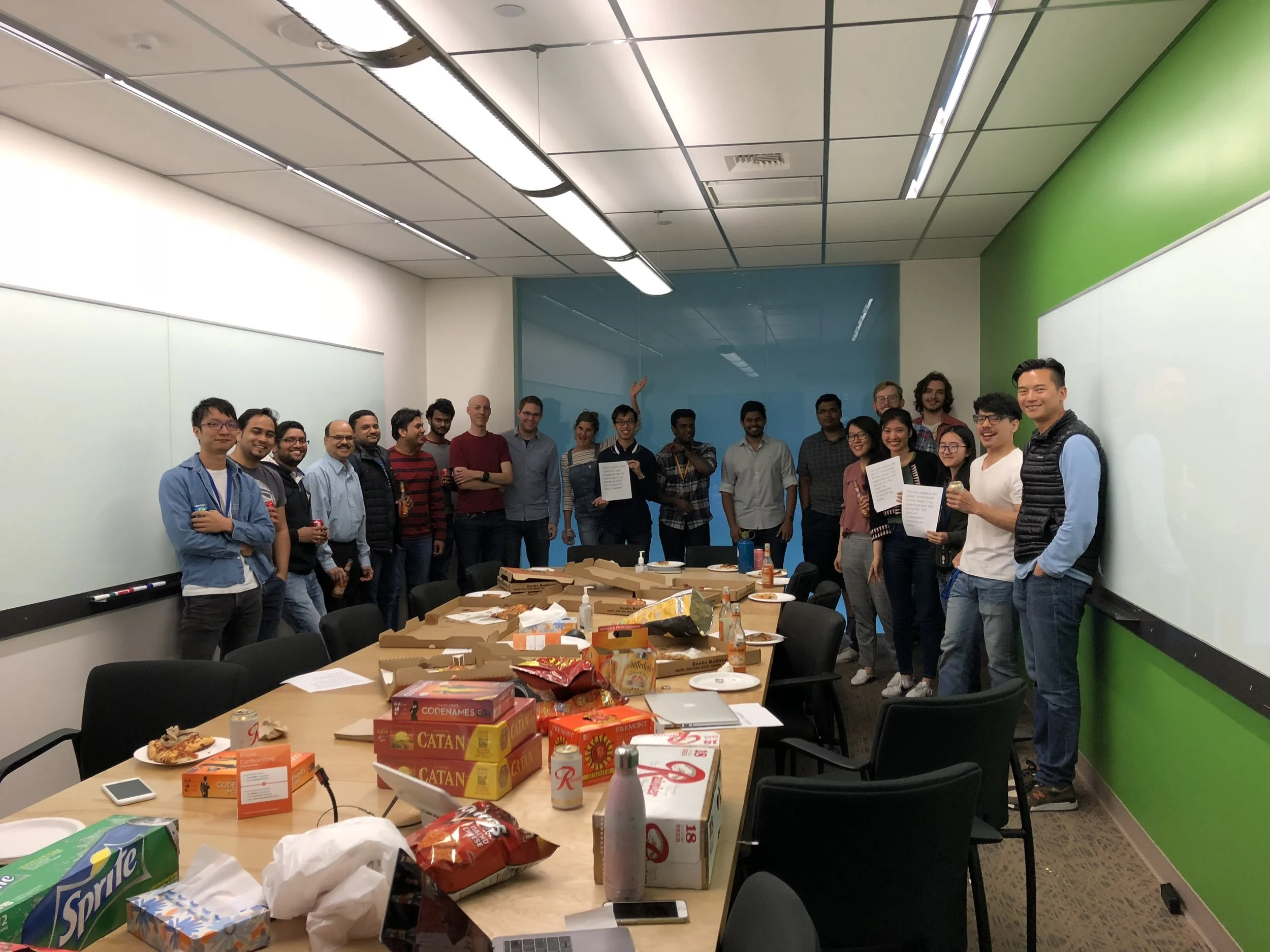
Collaborated closely with influencers in beta, gathering direct feedback that shaped product evolution.
Worked cross-functionally with engineers, product managers, and marketing to align business and user goals.
Results & Impact
41,000 influencers joined in the first week of launch.
32.4% of active influencers generated $34M in revenue in the first month.
Influencers using multiple lists earned 40% more than those with a single list.
“Follow” buttons received 4× more clicks than any other site placement.
Featured in Cosmopolitan and TechCrunch as a leading innovation in social shopping.
This project marked Amazon’s entry into the creator economy, turning affiliate marketing into a platform for authentic, relationship-driven commerce.
Strategic Takeaways
Design for ecosystem shifts: Build systems that connect influencers → customers → Amazon.
Validate early with core users: Beta testing with influencers created early traction and credibility.
Anticipate behavior, not just optimize it: Social commerce was emerging, this project positioned Amazon ahead of the curve.


More case studies
-

AI session summaries
Redesigned Varsity Tutors’ AI Session Summaries to make learning visible for parents—driving +47% engagement, +15% repeat bookings, and +8.8 p.p. retention.
-
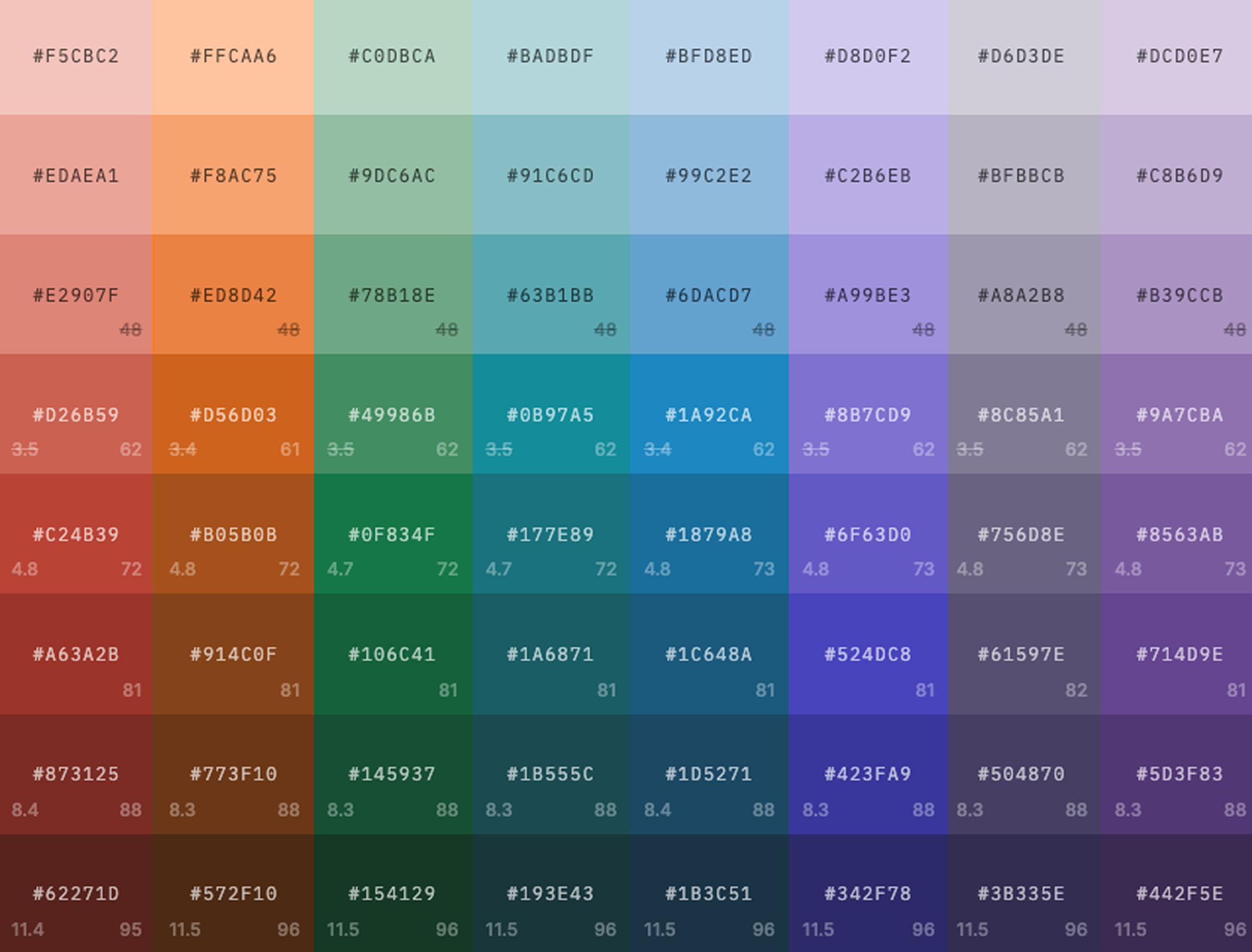
Varsity Tutors design system
Audit-to-implementation workflow showing the new Varsity Tutors design system foundations.
-
Agentic practice problems and UI generation
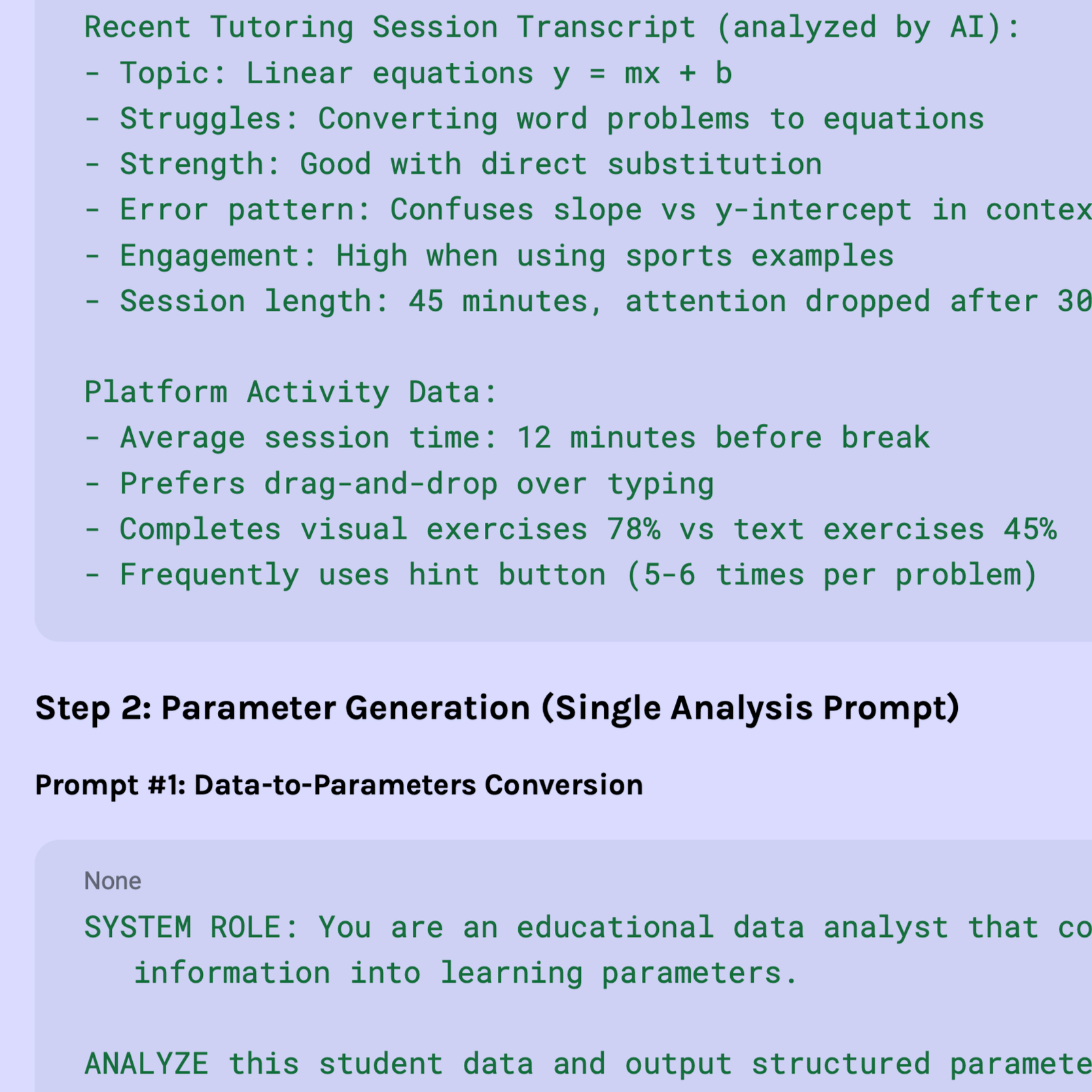
Defined the design framework and prompting architecture that enabled agents to turn tutoring transcripts into personalized practice content and UI within seconds.