
Shopping through people, not pages
Amazon
Influencer Program
Before every brand had an influencer budget, I led design for Amazon’s Influencer Program. It let creators earn from the products they already recommend, and it let customers shop through people they trust. I owned the vision, roadmap and end-to-end experience, and took it from a lightweight test in 2017 to a fully integrated platform in 2018.
41k
influencers joined in week one
$34M
revenue in month one
+40%
revenue for creators using multiple lists
4x
more engagement on Follow than on any other placement
Problem
Shopping was moving into social feeds. 40% of customers had already bought something they saw on social media. Amazon’s Associates program was built for bloggers pasting text links, not for creators on Instagram and YouTube, where you get one link in your bio.
That left a gap on both sides. Creators needed an easier way to recommend products on Amazon. Customers needed a way to browse many recommendations from one person they trust. For Amazon, the prize was higher-intent traffic: customers arriving already inspired to buy.
My role
Design Lead and Product Owner, from concept through v2.
Set the roadmap: a lightweight test in 2017 to prove creators would show up, then a 2018 build informed by what they told us.
Chose integration over net-new: connected storefronts to Inspiration Lists rather than building a separate organizing tool.
Designed the end-to-end creator experience: onboarding, storefronts, verified profiles and the earnings dashboard in Associates Central.
Ran the creator beta and turned feedback into the v2 priorities.
Aligned product, engineering and marketing around a single vision to work backwards from.
The approach
I treated this as a bet on a shift in behavior, not as a list of features. We tested light, listened to what broke, and built on products Amazon already had instead of inventing new ones.
1
Trust is the product. A recommendation is only as strong as the person behind it.
2
One link has to hold everything. Design for the link in bio, not for the blog post.
3
Build on what we already own. Integration beats net-new.
4
Creators run businesses. Show them what’s working.
Solution
Test it light (2017)
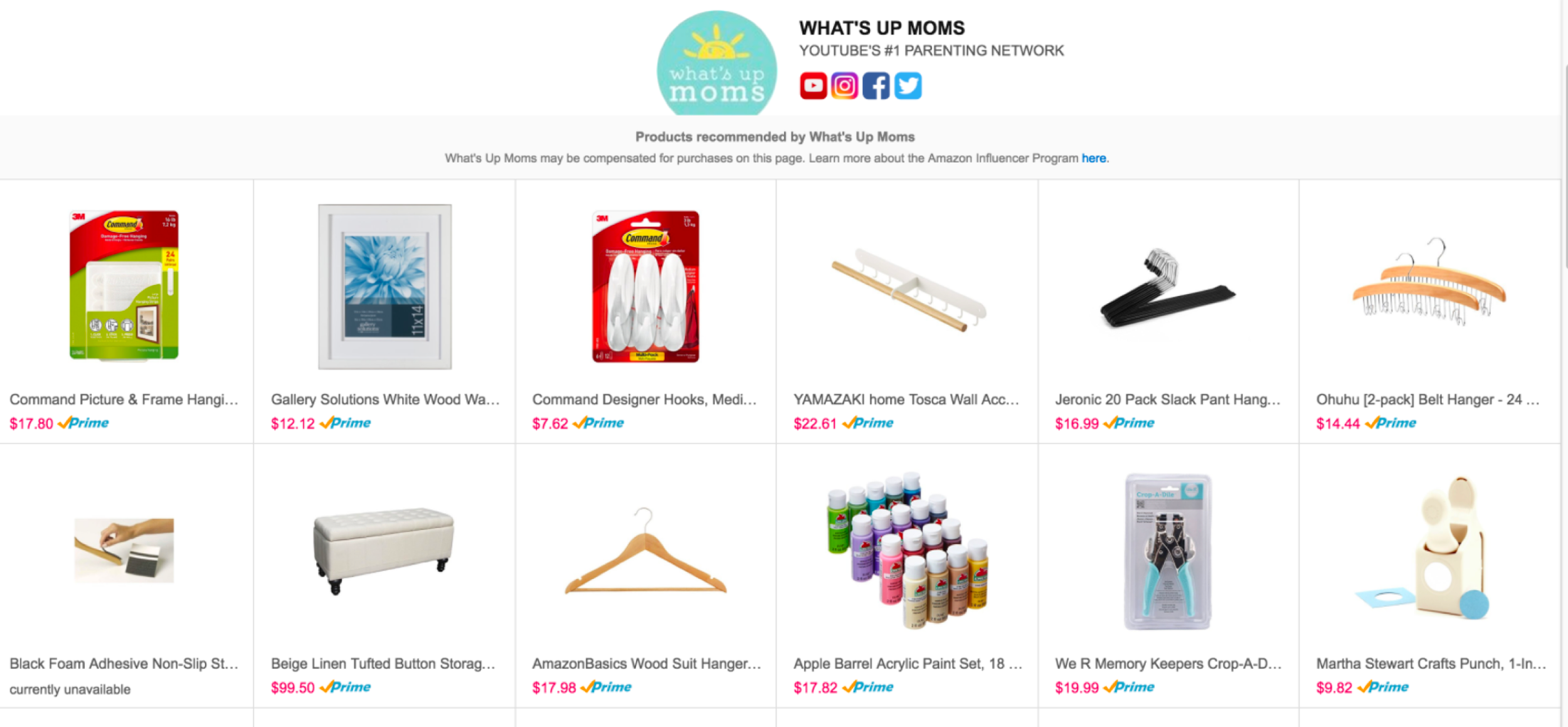
In July 2017 we launched vanity URLs and a simple storefront to answer one question: would creators show up? They did. 41,000 joined in the first week and drove $34M in the first month.
Vanity URLs were tied to a public view of a wishlist page where creators would add products. Attribution was tied to the URL.
Solution
Listen to what breaks
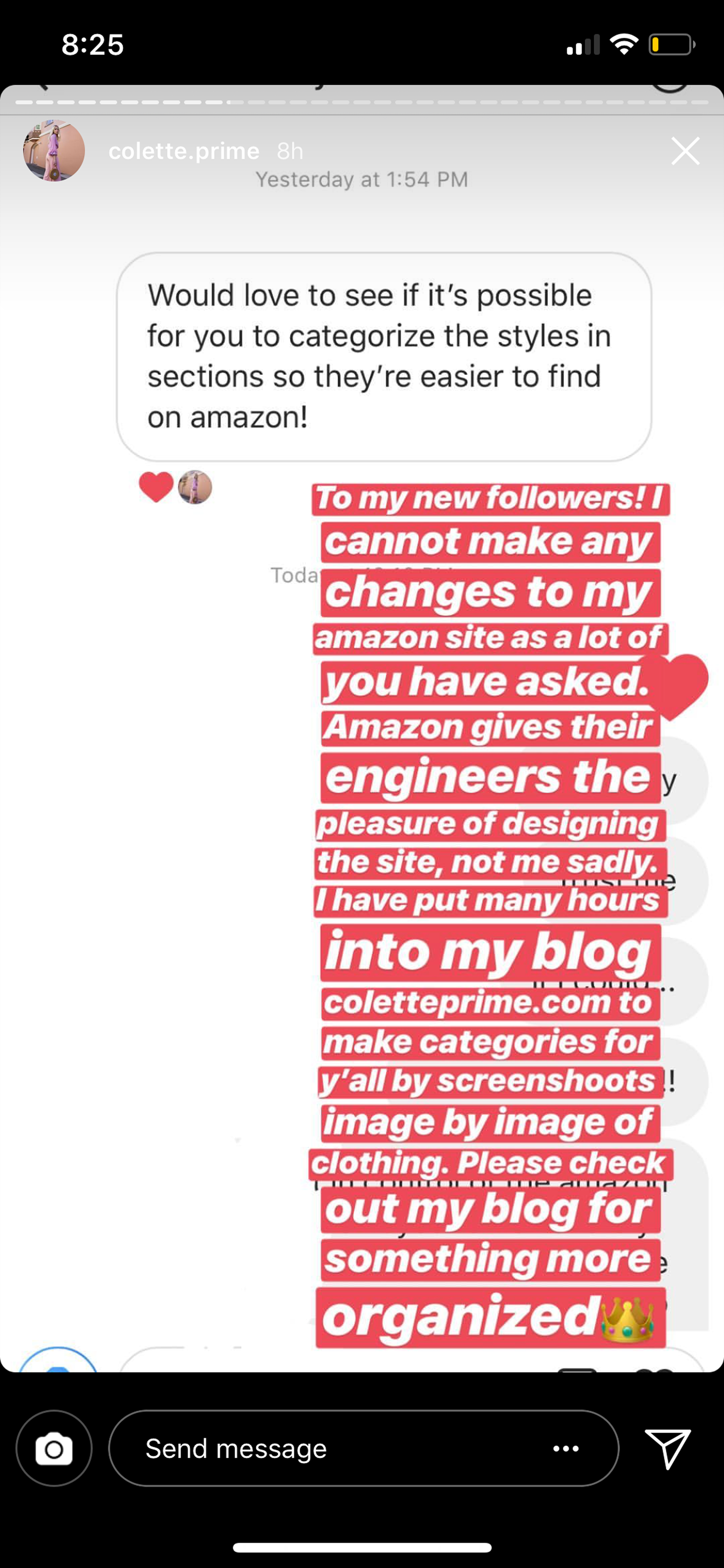
Creators started telling their followers the storefront was out of their hands. One posted to her followers that she couldn’t organize her Amazon page because Amazon’s engineers designed it, not her, and pointed them to her blog instead. We were sending traffic to Amazon and then losing it.
Solution
Build on what we already own
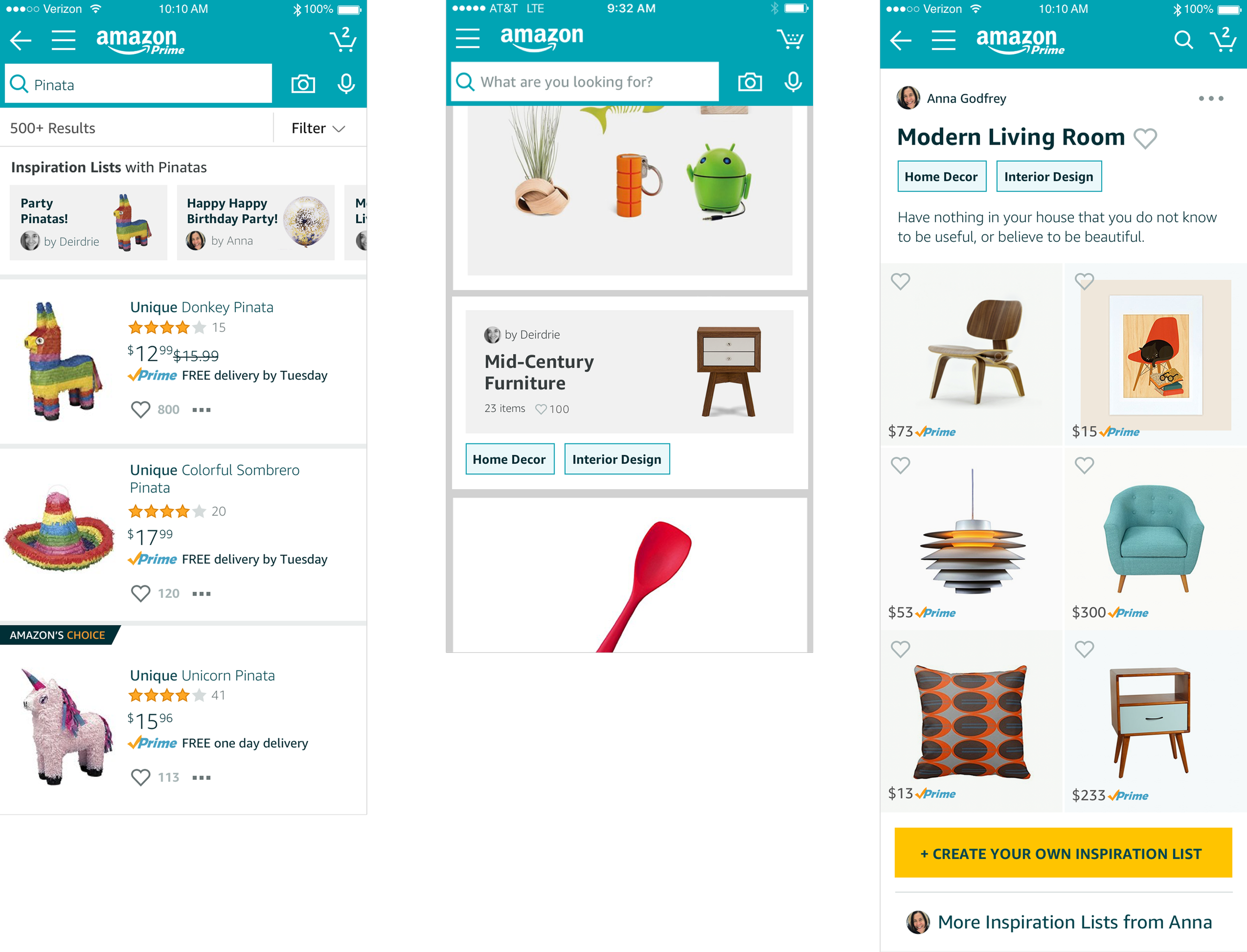
Instead of building a new organizing tool, we connected storefronts to Inspiration Lists build on List product, which Amazon already had. Creators could group recommendations by theme, with attribution tracked on every list. Creators with multiple lists earned 40% more than those with one, which showed that curation was the product.
Inspiration Lists product
Solution
Follow turns a visit
into a relationship
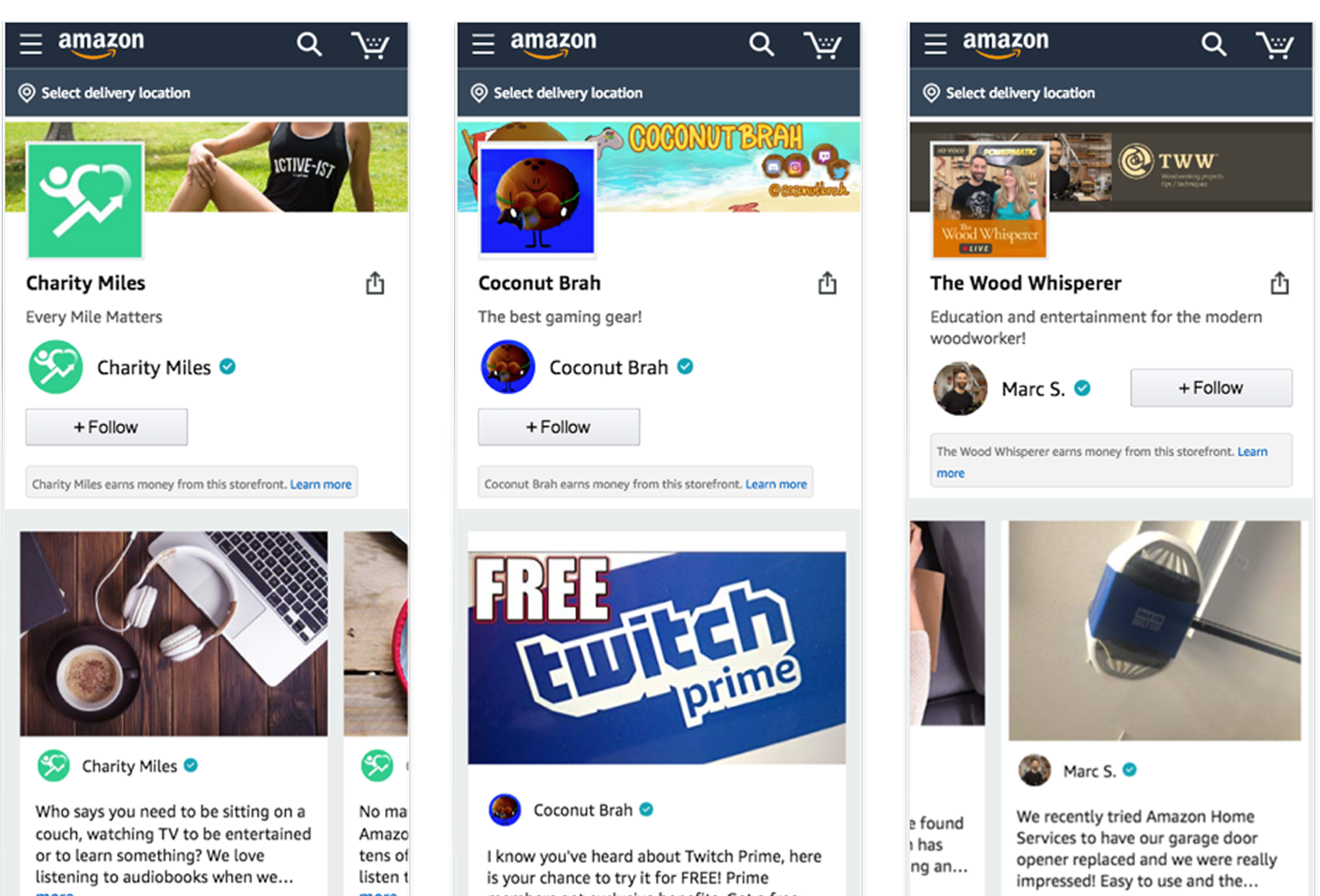
In July 2018 we onboarded influencers to verified profiles with a Follow button. Follow got 4× more engagement than any other placement on influencer pages, which was early proof that customers wanted to shop through people.
Solution
Earnings creators
can act on
We added influencer reporting to Associates Central, the tool affiliates already used to create links and track income. Creators could see which lists and products were converting and do more of what worked.
Once v2 launched, the question became how we scale. I mapped the opportunities and set direction around three bets:
Promo codes creators can share on their channels and storefronts, so they save their followers money.
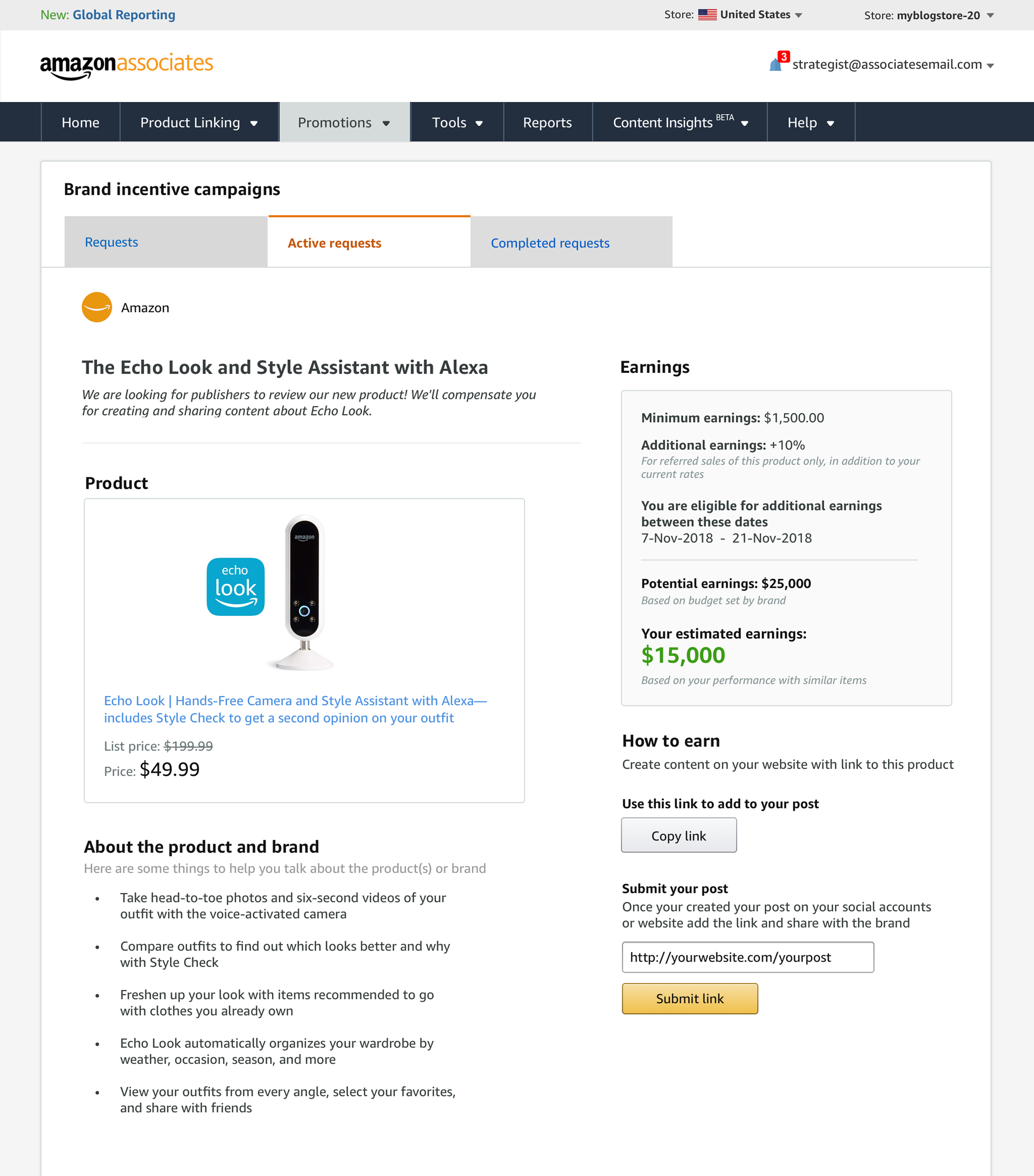
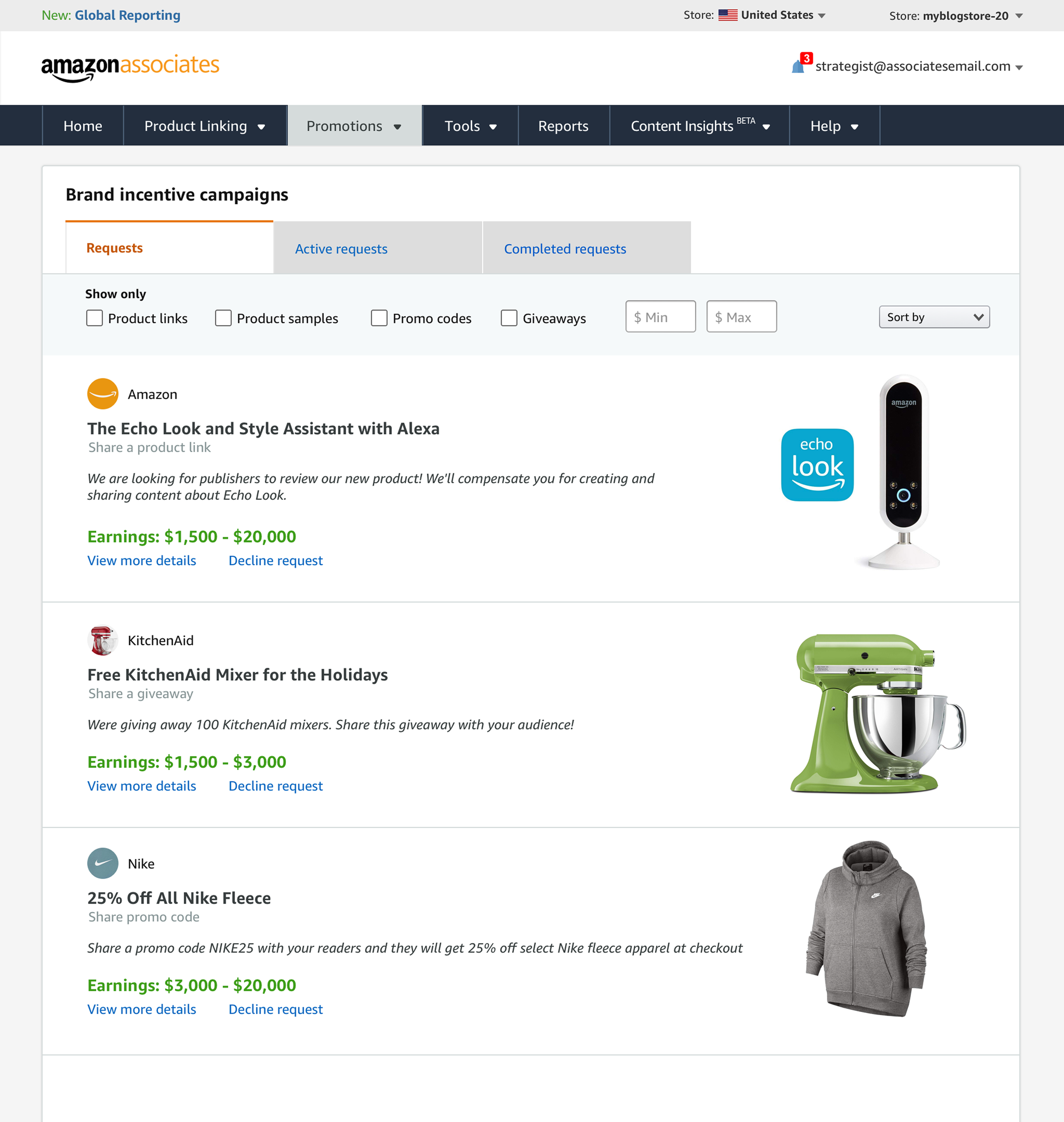
Brand campaigns that let brands find creators and send them sponsorships to accept or decline.


Solution
A north-star storefront to work backwards from
The program was covered by Cosmopolitan and TechCrunch. More importantly, it showed that customers would shop through people, and that Amazon could build for that shift instead of reacting to it.